
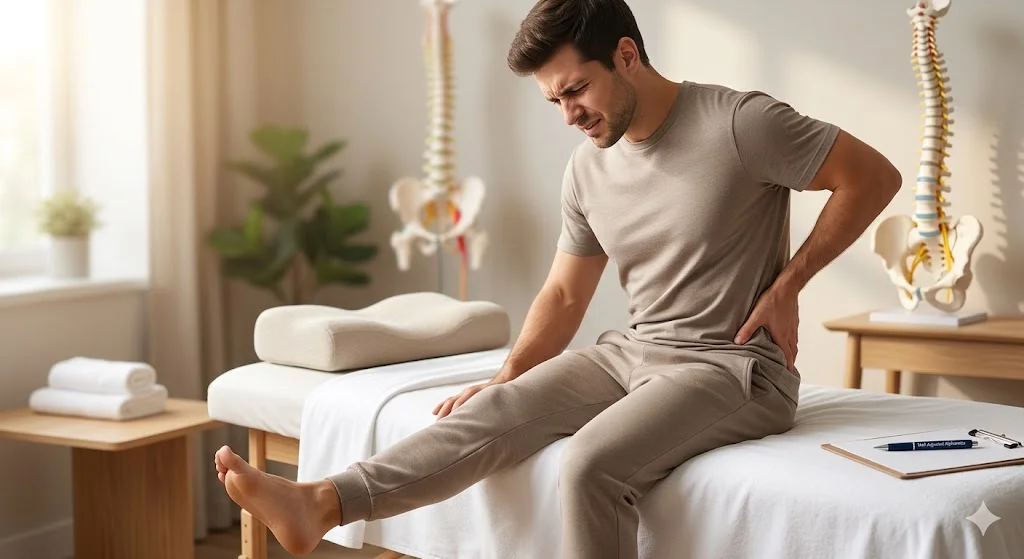
Sciatica is a common condition that causes pain radiating from the lower back down through the hips, buttocks, and into one or both legs. It occurs when the sciatic nerve—the longest nerve in the body—becomes irritated or compressed. For many people, sciatica can range from mild discomfort to severe, sharp pain that affects daily activities.
Understanding what sciatica is, why it happens, and how to treat it is essential for finding long-term relief and preventing it from returning.
What Is Sciatica?
Sciatica is not a condition itself but a symptom of an underlying issue affecting the sciatic nerve. This nerve runs from the lower spine through the hips and down each leg. When it becomes compressed or irritated, it can cause pain, tingling, numbness, or weakness along its pathway.
Unlike general lower back pain, sciatica is typically characterized by radiating pain that travels down the leg. The discomfort may worsen with sitting, standing for long periods, or sudden movements.
In cases where nerve irritation is involved, treatments such as chiropractic adjustments can help reduce pressure on the nerve and restore proper spinal alignment.
Common Symptoms of Sciatica
Sciatica symptoms can vary depending on the severity of the nerve compression. Some people experience mild discomfort, while others deal with intense pain that limits mobility.
Common symptoms include:
- Pain that radiates from the lower back into the leg
- Sharp, burning, or shooting pain
- Tingling or “pins and needles” sensation
- Numbness or muscle weakness in the leg
- Increased pain when sitting or bending
These symptoms often affect only one side of the body and may worsen over time if not properly addressed.
What Causes Sciatica?
Sciatica is usually caused by conditions that put pressure on the sciatic nerve. One of the most common causes is a herniated or bulging disc in the lower spine, which can compress nearby nerves.
Other common causes include spinal misalignment, degenerative disc changes, muscle tightness, or inflammation around the nerve. In some cases, prolonged sitting or poor posture can also contribute to nerve irritation.
Addressing the root cause is essential for long-term relief. Treatments like Cox flexion distraction therapy are specifically designed to relieve pressure on spinal discs and reduce nerve compression.
Sciatica vs. General Lower Back Pain
While sciatica and lower back pain are often confused, they are not the same. Lower back pain is typically localized, meaning it stays in the lower back area. Sciatica, on the other hand, involves nerve-related pain that travels down the leg.
This distinction is important because the treatment approach may differ. Sciatica often requires targeted care that focuses on relieving nerve pressure and restoring spinal function, rather than just addressing muscle discomfort.
How Chiropractic Care Can Help Sciatica
Chiropractic care focuses on correcting spinal alignment and improving nervous system function. When the spine is misaligned, it can place pressure on nerves, including the sciatic nerve.
Through chiropractic adjustments, pressure on the nerve can be reduced, allowing the body to heal naturally. This approach not only helps relieve pain but also addresses the underlying cause to prevent future episodes.
For patients dealing with activity-related injuries or strain, sports injury care can provide additional support for recovery and long-term stability.
Additional Treatments for Sciatica Relief
In addition to chiropractic adjustments, other therapies can help manage symptoms and improve recovery. Strengthening and stretching the muscles around the lower back and hips can reduce strain on the sciatic nerve.
Guided therapeutic exercises can improve flexibility, strengthen core muscles, and support better posture. These exercises are especially important for preventing recurring sciatica episodes.
In some cases, treatments like electrical muscle stimulation can help relax tight muscles, improve circulation, and reduce inflammation, providing additional relief.
When to Seek Professional Help
Mild sciatica may improve with rest and simple home care, but professional treatment is recommended if symptoms persist or worsen. You should consider seeking care if:
- Pain lasts more than a few days
- Symptoms become more intense
- You experience numbness or weakness
- Pain interferes with daily activities
Early intervention can prevent the condition from becoming more severe and help you recover faster.
Tips to Prevent Sciatica
Preventing sciatica involves maintaining good spinal health and reducing strain on the lower back. Simple lifestyle changes can make a significant difference.
Maintain proper posture when sitting or standing, avoid long periods of inactivity, and stay physically active. Strengthening your core muscles and stretching regularly can also help support the spine and reduce the risk of nerve compression. Consistency in these habits is key to preventing future flare-ups.
Final Thoughts
Sciatica is a common but manageable condition that results from irritation or compression of the sciatic nerve. While it can be painful and disruptive, understanding its causes and symptoms can help you take the right steps toward recovery. By addressing the root cause through chiropractic care, targeted exercises, and supportive therapies, you can relieve pain and reduce the chances of it returning.
If you’re experiencing symptoms of sciatica, the team at Well Adjusted Alpharetta can help create a personalized treatment plan to restore comfort, mobility, and long-term health.